
The Short Answer for Ottawa Homeowners
Mould remediation is the process of removing mould and fixing the moisture that caused it. For a small patch — under about 10 square feet — a careful homeowner can often clean it up. Anything larger, recurring, hidden in walls, or following a flood should be handled by a professional using HEPA containment. The key in every case: mould only grows where there is moisture, so removal without a moisture fix never lasts.
What is mould remediation?
“Remediation” means more than cleaning. It means finding where the water is coming from, containing the affected area so spores don't spread, removing the material that can't be saved, drying the structure, and confirming the space is clean. A surface wipe-down treats the symptom; remediation treats the cause.
How serious is the mould in my home?
A few widely accepted guidelines help you judge how serious a mould problem is and whether it's a DIY job:
- Size. Once mould covers more than about 10 square feet (roughly 3 ft × 3 ft), the U.S. EPA recommends hiring a professional with proper containment.
- Speed. Mould can begin to grow on damp surfaces within 24 to 48 hours of water exposure, so acting quickly after a leak or flood limits the damage.
- Health. Health Canada considers indoor mould growth a potential health hazard regardless of the mould type — it doesn't have to be “black mould” to matter, especially for children, seniors, and anyone with asthma or allergies.
- Location. Mould in HVAC systems, inside wall cavities, or following sewage or flooding is a professional job regardless of size.
How professional mould remediation works
At HMJ Contracting, every mould remediation follows the same contained, documented sequence:
- Inspection & moisture source. We find where the water is coming from — a leak, humidity, foundation seepage, or a past flood — because fixing that is what keeps mould from returning.
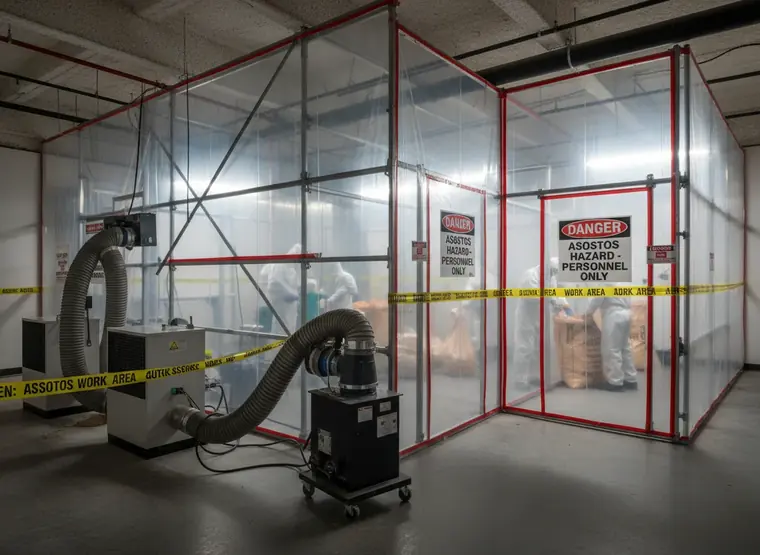
- Containment & negative air. The area is sealed and put under negative pressure with HEPA-filtered air scrubbers so spores can't spread during removal.
- Removal. Porous materials that can't be saved — drywall, insulation, carpet — are removed and bagged; salvageable surfaces are HEPA-vacuumed and treated.
- Cleaning & drying. We clean surrounding surfaces and dry the structure completely.
- Clearance & prevention. We confirm the area is clean and dry and advise on preventing recurrence, with documentation for your insurer or a future sale.
Mould and asbestos in older Ottawa homes
In homes built before 1990, disturbing mould-damaged drywall or insulation can also disturb asbestos-containing materials. That's a real risk during renovations: in Canada, asbestos was used in many building materials until the 1990s and remains the leading cause of occupational disease death in the country. Because HMJ is certified for both mould remediation and asbestos abatement, one crew can handle both safely — you don't have to coordinate two contractors or stop your renovation midway.
How to stop mould from coming back
Because mould needs moisture, prevention is a moisture problem too. Fix leaks promptly, keep indoor humidity in check, ensure bathrooms and kitchens are ventilated, and address any foundation or drainage issues. Dry any wet area within 24–48 hours. Do that, and remediation becomes a one-time fix rather than a recurring chore.
Sources and Official References
- U.S. EPA — A Brief Guide to Mold, Moisture and Your Home (10 sq ft guideline; 24–48 hour growth)
- Health Canada — Health effects of indoor mould
- Government of Canada — Asbestos and your health
Frequently asked questions
What are the best mould remediation services for homeowners?
The best mould remediation does three things: it finds and fixes the moisture source, removes affected material under proper HEPA containment, and dries the structure so the mould can't return. Look for a contractor who inspects for the water source rather than just spraying and wiping, uses containment for anything larger than a small patch, and provides documentation. In older homes, a contractor certified for both mould and asbestos can handle both hazards at once.
How much mould can I safely remove myself?
The U.S. EPA advises that a homeowner can usually handle a small patch — under about 10 square feet, roughly 3 ft × 3 ft — with proper precautions. Larger areas, recurring mould, mould in HVAC systems, or mould after sewage or flooding should be handled by a professional with containment.
How fast does mould grow after water damage?
The EPA notes mould can begin to grow on damp surfaces within 24 to 48 hours of water exposure. Drying a wet area quickly and completely is the single most effective way to prevent mould after a leak or flood.
Why does mould keep coming back after I clean it?
Because the moisture source hasn't been fixed. Mould can't grow without moisture, so cleaning the surface without addressing the leak, humidity, drainage, or ventilation problem just resets the clock. Lasting remediation always includes fixing the water problem.
Is mould a real health risk?
Health Canada considers indoor mould growth a potential health hazard regardless of the mould type. It can trigger respiratory irritation, allergy, and asthma symptoms, with children, seniors, and people with existing conditions most affected.
Worried about mould in your home?
HMJ Contracting offers free mould assessments across Ottawa. We find the source, remove it safely, and make sure it doesn't come back.