
Renovation disrupts daily living by introducing physical hazards, noise, access restrictions, and emotional stress that affect every member of a household. The disruption caused by home remodels is not simply inconvenient. It is a documented pattern that touches health, sleep, work, and mental wellbeing. Canadian homeowners in older properties face an added layer of risk: buildings built before 1990 likely contain asbestos, lead paint, or mould that become dangerous when disturbed. Understanding these risks before work begins is the difference between a manageable project and a household in crisis. Hmjcontracting works with Ottawa homeowners every day to reduce exactly this kind of disruption.
Why renovation disrupts daily living: the physical hazards
Physical hazards are the most immediate reason renovation disrupts daily living. Construction work releases dust, debris, and in older homes, toxic materials that compromise air quality and household safety from day one.
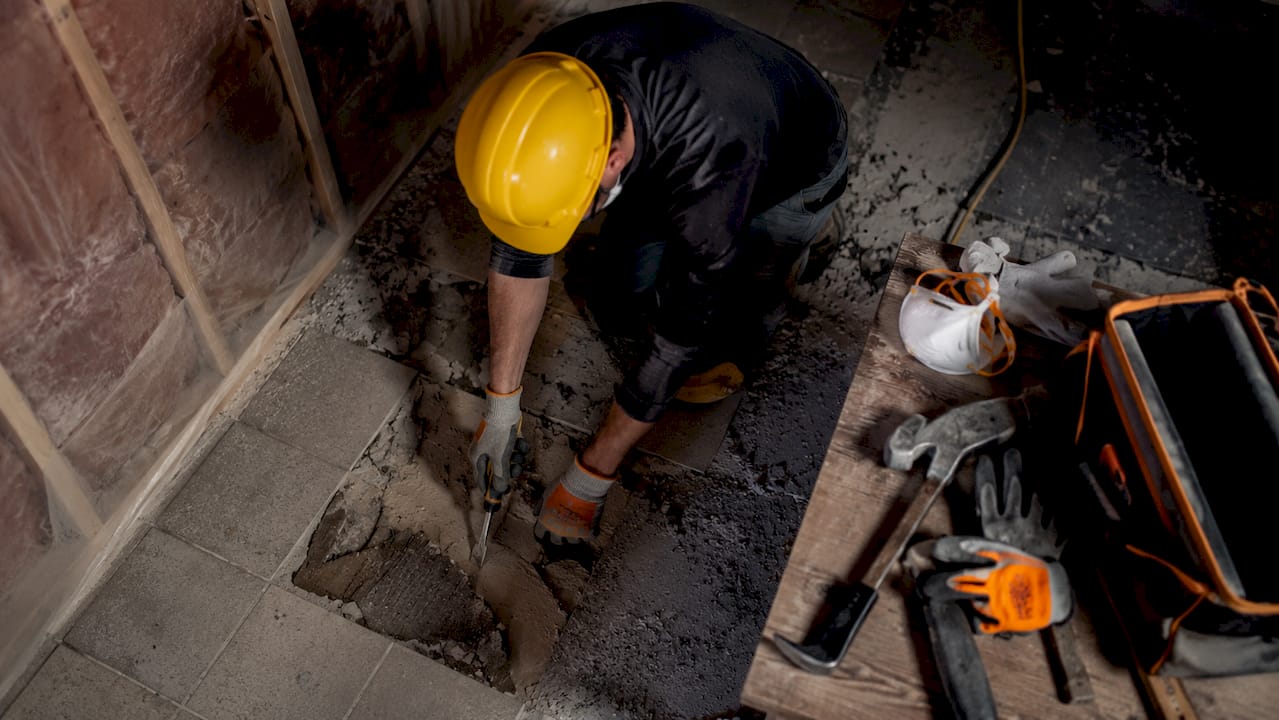
Canadian homes built before 1990 carry a high probability of containing asbestos in insulation, floor tiles, and drywall compound. Lead paint appears on trim, doors, and window frames. Mould hides behind walls and under flooring. When demolition begins, these materials become airborne. The health consequences range from respiratory irritation to neurological damage with prolonged exposure.
Children and elderly residents face the greatest risk. Living through renovation with children exposes them to construction debris, uncapped wiring, and fine dust that harms their lungs and disrupts their behaviour. A child crawling near a freshly sanded floor in a pre-1990 home is at direct risk of lead dust ingestion.
DIY sampling of suspected hazardous materials makes the situation worse, not better. Improper handling of asbestos or lead releases toxic particles into the air and carries heavy fines under Canadian regulations. Professional abatement uses containment barriers and HEPA filtration to prevent that spread entirely.
Beyond toxic materials, construction noise from power tools, compressors, and hammering creates a constant sensory burden. Access to kitchens, bathrooms, and bedrooms gets restricted for days or weeks. Safety precautions required for hazardous material removal also extend project timelines, which compounds every other disruption.
- Asbestos fibres cause mesothelioma and lung disease with repeated exposure
- Lead dust causes neurological harm, especially in children under six
- Mould spores trigger respiratory illness and worsen asthma
- Construction debris creates trip and fall hazards throughout the home
- Noise from equipment causes sleep disruption and concentration loss
Pro Tip: Before any demolition begins in a home built before 1990, arrange a professional hazardous material assessment. Knowing what is in your walls before work starts protects your family and prevents costly project shutdowns mid-renovation. Check the signs you may need asbestos removal before your contractor swings the first hammer.
How do renovations interrupt your daily schedule?
Schedule disruption is the second major reason the impact of renovation on lifestyle feels so severe. Construction does not pause for school runs, work calls, or dinner.
Living through a major renovation increases project timelines by 25–30% compared to working in an empty home. Contractors must schedule noisy work around nap times, remote meetings, and family meals. One Toronto renovation extended two months beyond its original timeline because the occupants' schedules limited contractor access. That delay cost money and extended every disruption the family was already enduring.
Access restrictions hit hardest in the rooms you use most. A kitchen renovation means weeks of eating takeout or cooking on a single hot plate. A bathroom remodel means sharing one toilet between five people. These are not minor inconveniences. They change how you eat, sleep, and function.
| Disrupted routine | Why it happens | Practical mitigation |
|---|---|---|
| Cooking and meals | Kitchen access blocked | Set up a temporary kitchen with a microwave and mini-fridge |
| Sleep | Noise from early morning work | Agree on work hours with your contractor in writing |
| Remote work | Noise and dust affect concentration | Work from a library, café, or co-working space on heavy work days |
| Bathing and hygiene | Bathroom under renovation | Arrange access to a neighbour's or gym facility |
| Children's routines | Unsafe zones and noise | Designate a safe room away from active construction |
Decision fatigue compounds the schedule problem. Making too many out-of-sequence choices leads to burnout before construction ends. Homeowners who have not pre-selected finishes, fixtures, and materials before work begins spend hours each week making reactive decisions. That mental load slows the project and drains energy needed for normal daily life.
Older homes add another layer. Unexpected discoveries behind walls, under floors, or above ceilings force scope changes that ripple through the entire home renovation timeline. A planned two-week bathroom gut can become a six-week project when original plumbing or hidden mould is discovered.
Pro Tip: Pre-select every finish, fixture, and material before demolition begins. Contractors who receive all selections upfront can order materials in advance and keep work moving without waiting on your decisions.
What are the emotional and psychological effects of renovation?
The psychological toll of renovation is real and well-documented. Renovation stress syndrome is defined as the chronic anxiety, irritability, and loss of control that homeowners experience during disruptive construction projects.
Chronic uncertainty and poor contractor communication are the primary drivers of renovation stress syndrome. When homeowners do not know what is happening, when it will end, or what it will cost, anxiety fills the gap. Transparency from your contractor is not a luxury. It is a health protection measure.
Decision fatigue is the leading cause of renovation-related stress among homeowners. The volume of choices required during a renovation, from tile grout colour to cabinet hardware, overwhelms the brain's capacity for good judgement. Homeowners who start with a clear renovation sequence and delegate decisions where possible report significantly lower stress levels.
Renovation fatigue follows a predictable pattern. The "remodelling fever curve" peaks at roughly two-thirds project completion, when the home looks its worst and the end feels furthest away. At this point, homeowners make reactive, costly decisions just to feel progress. Recognising this phase in advance reduces its damage.
The loss of home as a sanctuary drives much of the emotional strain. Your home is where you recover from the demands of daily life. When every room smells of paint, vibrates with drilling, or is blocked by tools and materials, that recovery space disappears.
- Set a daily check-in with your contractor to reduce uncertainty
- Designate one room as a construction-free zone for rest and recovery
- Limit renovation-related decisions to a set time each day to reduce fatigue
- Accept that the two-thirds point will feel the worst, and plan for it
- Lean on your contractor's expertise rather than second-guessing every choice
How to manage and minimise disruption during a home renovation
Managing the effects of construction on everyday life requires planning before the first tool arrives. Reactive management is always more expensive and more stressful than proactive planning.
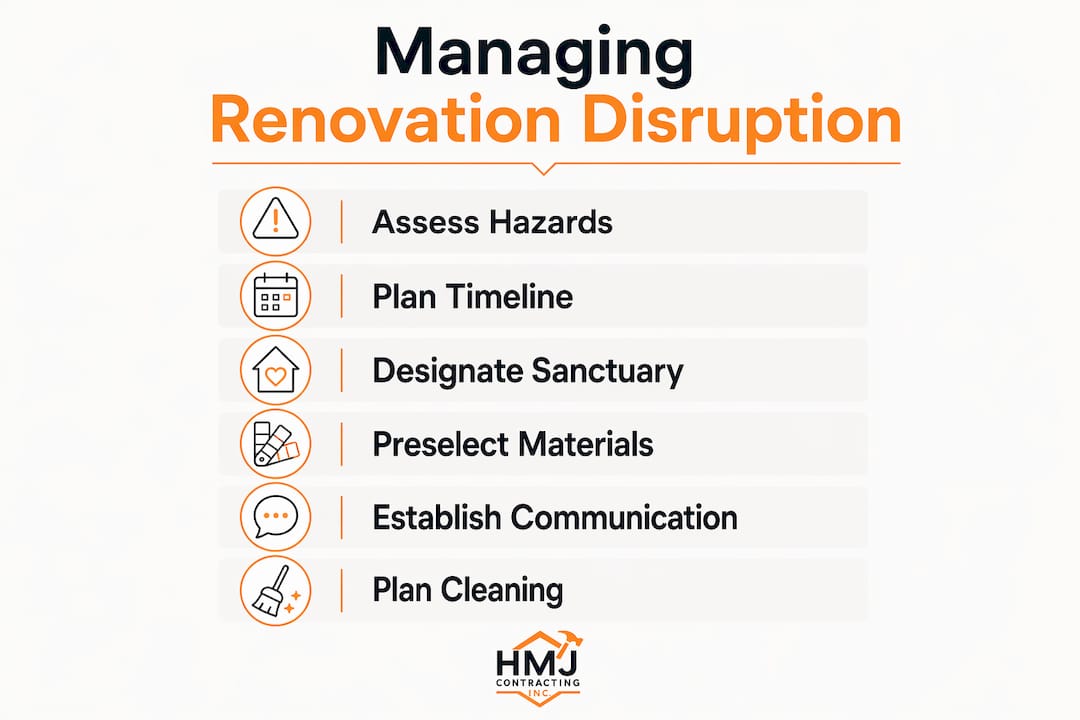
1. Assess your home for hazardous materials first. Any home built before 1990 needs a professional assessment before demolition. Knowing what is in your walls lets you schedule abatement before general renovation work begins, preventing toxic exposure and project shutdowns. Hmjcontracting provides certified abatement assessments for Ottawa homeowners with detailed, itemised reports.
2. Create a realistic timeline with buffer built in. Empty homes allow faster renovation work and reduce delays, collisions, and safety incidents. If you are living on-site, add 25–30% to your expected timeline from the start.
3. Designate a renovation-free sanctuary room. A clean, secluded space away from active construction preserves mental health during disruptive work. Stock it with what you need to rest, work, and decompress. Keep it off-limits to contractors.
4. Pre-select all materials and finishes before work begins. Starting with function and flow and making decisions in sequence prevents the burnout that comes from constant reactive choices. Hand your contractor a complete selections package before demolition starts.
5. Consider temporary relocation for major renovations. Attempting to live on-site during disruptive major renovations often increases costs through delays and safety risks. For full kitchen or bathroom gut jobs, a short-term rental may cost less than the delays caused by working around your household.
6. Establish clear communication protocols with your contractor. Transparency and process focus protect homeowner mental wellbeing during disruptions. Agree on daily or weekly updates, a single point of contact, and a written schedule before work begins.
7. Plan post-renovation cleaning as part of the project. Construction dust penetrates every surface in the home. Post-renovation cleaning is a health measure, not just an aesthetic one. Budget for professional cleaning as a line item, not an afterthought.
Key takeaways
Renovation disrupts daily living through a combination of physical hazards, schedule interruptions, and psychological stress that compound each other when left unmanaged.
| Point | Details |
|---|---|
| Hazardous materials are the top safety risk | Homes built before 1990 likely contain asbestos, lead, or mould that require professional abatement before demolition. |
| Living on-site extends timelines by 25–30% | Contractor scheduling around family routines adds weeks or months to project completion. |
| Decision fatigue drives renovation stress | Pre-selecting all materials before work begins prevents burnout and keeps projects moving. |
| A sanctuary room protects mental health | One construction-free room gives your household a place to recover during disruptive work. |
| Transparent contractor communication reduces anxiety | Agreed-upon updates and a written schedule prevent the uncertainty that drives renovation stress syndrome. |
What I have learned from watching homeowners go through renovations
The homeowners who struggle most are not the ones with the biggest projects. They are the ones who underestimated how much the disruption would affect their daily life before work started.
I have seen families push through a full kitchen renovation while living on-site, convinced they could handle it. By week three, they were eating fast food every night, sleeping poorly, and making expensive finish changes just to feel like something was moving forward. The renovation fatigue curve is real, and it hits hard at the two-thirds mark every single time.
The homeowners who come through renovations with their wellbeing intact share one habit: they treated the disruption as a project to manage, not just a side effect to endure. They set up a sanctuary room before demolition started. They pre-selected every tile and tap before the contractor arrived. They asked for weekly written updates and held their contractor to them.
The other thing I have seen consistently is the cost of skipping hazardous material assessment in older homes. A homeowner who discovers asbestos mid-project faces a work stoppage, emergency abatement costs, and a household that has already been exposed. That is a preventable outcome every time. If your home was built before 1990, get the assessment done first. The peace of mind alone is worth it, and the guidance for first-time renovators confirms this is the single step most homeowners wish they had taken sooner.
Renovation is worth it. The disruption is temporary. But the decisions you make before work begins determine whether that disruption is manageable or miserable.
— Jason
Renovation support from Hmjcontracting in Ottawa
Hmjcontracting helps Ottawa homeowners reduce the disruption caused by home remodels through certified abatement, professional project management, and a transparent process from first quote to final cleanup.

For homes built before 1990, Hmjcontracting's licensed abatement services safely remove asbestos, lead, and mould before general renovation work begins. That sequencing protects your family and prevents the costly project shutdowns that happen when hazardous materials are discovered mid-renovation. Every project comes with a detailed, itemised quote and a dedicated point of contact who keeps you informed throughout. With a 5.0-star Google rating and hundreds of completed projects across Ottawa, Hmjcontracting delivers the reliable, clean, and communicative experience that makes renovation disruption manageable. Visit Hmjcontracting's full services to see how the team can support your next project.
FAQ
Why does renovation disrupt daily living so severely?
Renovation disrupts daily living by combining physical hazards, noise, access restrictions, and decision fatigue simultaneously. Each factor compounds the others, making the overall impact far greater than any single disruption alone.
What are the biggest health risks of living through a renovation?
Homes built before 1990 likely contain asbestos, lead paint, and mould that become airborne during demolition. Children and elderly residents face the greatest risk from dust and debris exposure.
How much longer does a renovation take when you live on-site?
Living through a major renovation increases project timelines by 25–30% compared to working in an empty home. Contractors must schedule around family routines, which limits their working hours and slows progress.
What is renovation fatigue and when does it peak?
Renovation fatigue is the burnout and poor decision-making that sets in during a disruptive project. It typically peaks at roughly two-thirds of project completion, when the home looks its worst and the end feels furthest away.
How can homeowners protect their mental health during a renovation?
Designating one construction-free sanctuary room, pre-selecting all materials before work begins, and agreeing on regular contractor updates are the three most effective steps. Clear communication with your contractor reduces the uncertainty that drives renovation stress syndrome.