Mould Remediation in Ottawa
Complete Mould Remediation
Found mould in your home? HMJ Contracting removes it at the source. We trace the moisture, contain the area under HEPA-filtered negative air, remove the affected material, and dry the structure so the mould doesn't come back — with documentation for your insurer or a future sale. And because we're also certified for asbestos abatement, we safely handle older Ottawa homes where mould and asbestos are found together.
When mould is a DIY job — and when it isn't
Mould only grows where there is moisture, so lasting removal always means fixing the water problem, not just wiping the surface. A few widely accepted guidelines help you judge how serious a mould problem is:
10 sq ft
Once mould covers more than about 10 square feet (roughly 3 ft × 3 ft), the U.S. EPA recommends hiring a professional with proper containment.
24–48 hrs
Mould can begin to grow on damp surfaces within 24 to 48 hours of water exposure, according to the EPA — so drying quickly after a leak or flood matters.
Any type
Health Canada considers indoor mould growth a potential health hazard regardless of the mould type — it doesn't have to be “black mould” to be worth removing.
Sources: U.S. EPA — A Brief Guide to Mold, Moisture and Your Home; Health Canada — Health effects of indoor mould.
Our Mould Remediation Process, Step by Step
Mould is a moisture problem before it's a cleaning problem. HMJ follows the contained, documented process Health Canada and the U.S. EPA recommend — find the water source, contain the area, remove the mould, dry the structure, and verify it's clean.
- 1
Inspection & Moisture Source
We inspect the affected area, measure moisture, and trace where the water is coming from — a leak, poor ventilation, foundation seepage, or a past flood. Removing mould without fixing the moisture only guarantees it grows back.
- 2
Containment & Negative Air
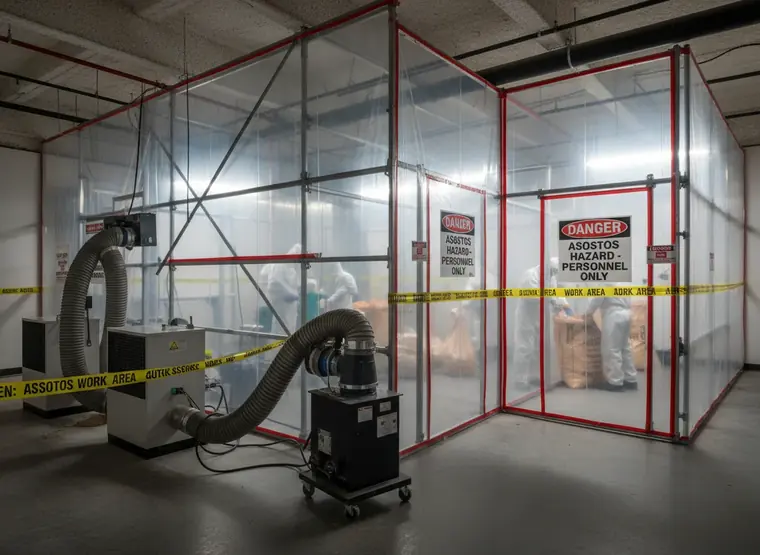
The work area is sealed with poly barriers and put under negative pressure with HEPA-filtered air scrubbers, so spores can't spread to the rest of your home during removal — the same containment discipline we use for asbestos.
- 3
Removal of Affected Materials
Porous materials that can't be saved — drywall, insulation, carpet — are removed and bagged. Salvageable surfaces are HEPA-vacuumed and treated. Our crews work in full PPE throughout.
- 4
Cleaning & Drying
We clean surrounding surfaces, then dry the structure fully. Mould needs moisture to survive, so a properly dried assembly is what actually keeps it from returning.
- 5
Clearance & Prevention
We confirm the area is clean and dry, then advise on preventing recurrence — ventilation, humidity control, or drainage fixes. Documentation is available for your insurer or a future sale.
What Affects Mould Remediation Cost
Mould pricing depends far more on the moisture source and the amount of material affected than on the mould itself. Here's what moves the number:
Size of the affected area
The U.S. EPA suggests that once mould covers more than about 10 square feet (roughly 3 ft × 3 ft), it's a job for a professional with proper containment — larger areas mean more setup, removal, and disposal.
The moisture source
A one-time leak is cheaper to resolve than ongoing foundation seepage or a ventilation problem that needs a longer-term fix. We price the repair honestly, not just the cleanup.
Type of material affected
Wiping mould off a non-porous surface is quick; removing and rebuilding mould-soaked drywall, insulation, or subfloor takes more labour and materials.
Hidden vs. visible growth
Mould inside wall cavities or under flooring takes more investigation and controlled removal than surface growth on an exposed wall.
Every project gets a free, written, no-obligation estimate — call 613-864-6333 or request a quote online.
Typical Mould Remediation Costs in Ottawa
Mould pricing tracks the amount of affected material and the moisture problem behind it. These are the ranges most Ottawa remediation jobs fall into:
Small Contained Area
$500–$1,500A limited patch — around a window, in a closet, or on a section of wall — removed under containment with the surface treated and dried.
Single Room or Bathroom
$2,000–$6,000Removing and replacing affected drywall or insulation in one room, with HEPA cleaning and full drying of the assembly.
Basement or Flood-Related
$5,000–$15,000+Larger areas after a flood, sewer backup, or long-running foundation leak — more removal, more drying time, and often subfloor work.
Moisture Source Repair
Quoted separatelyFixing the leak, drainage, or ventilation issue that caused the mould. We price this honestly as its own line so you can compare options.
Insurance sometimes covers remediation after a sudden event like a burst pipe. We provide the documentation and photos your adjuster needs either way.
How Long Does Mould Remediation Take?
Small contained removals are usually finished in a day. Single-room jobs typically run 2–4 days including containment, removal, cleaning, and drying time.
Basement or flood-related projects run longer — often 1–2 weeks — because the structure must be verified dry before anything is rebuilt. Rushing this step is how mould comes back.
Mould can begin growing within 24–48 hours of water exposure, so if you've just had a leak or flood, call right away — fast drying dramatically reduces how much material has to come out.
Serving Ottawa & Surrounding Communities
HMJ Contracting provides mould remediation services across the entire Ottawa region, including:
- Kanata
- Orléans
- Barrhaven
- Nepean
- Gloucester
- Stittsville
- Manotick
- Westboro
- The Glebe
- Vanier
- Alta Vista
- Riverside South
- Findlay Creek
- Rockland
- Carleton Place
Don't see your community? If you're within about 50 km of Ottawa, give us a call — we likely cover you.
Frequently Asked Questions
The best mould remediation combines three things: finding and fixing the moisture source, removing affected material under proper HEPA containment, and drying the structure so mould can't return. HMJ Contracting does all three — and because we're also certified for asbestos and lead abatement, we can safely handle older Ottawa homes where mould and asbestos are found together. Every job starts with a free assessment and includes documentation for your records.
The U.S. EPA advises that a homeowner can usually handle a small patch — under about 10 square feet, roughly 3 ft × 3 ft — with proper precautions. Beyond that, or if the mould keeps coming back, is in your HVAC system, or followed sewage or flooding, it should be handled by a professional with containment. Health Canada also recommends professional help for large or recurring growth.
Health Canada considers indoor mould growth a potential health hazard regardless of the mould type, because it can trigger respiratory irritation, allergies, and asthma symptoms — especially in children, seniors, and people with existing conditions. It doesn't have to be 'black mould' to be worth removing.
Fast. The EPA notes mould can begin to grow on damp surfaces within 24 to 48 hours of water exposure. That's why acting quickly after a leak, flood, or burst pipe matters — the sooner the area is dried and treated, the less material has to be removed.
Only if the moisture source isn't fixed. Mould can't grow without moisture, so we always trace and address the water problem — a leak, humidity, drainage, or ventilation issue — as part of the job. Remediation without a moisture fix is why DIY mould so often returns.
Yes. In pre-1990 Ottawa homes, disturbing mould-damaged drywall or insulation can also disturb asbestos-containing materials. Because HMJ is certified for both mould remediation and asbestos abatement, one crew handles it safely — you don't have to coordinate two contractors.
Have a different question? Read our full FAQ or call 613-864-6333.
Related Services From HMJ Contracting
Mould is often found alongside other hazards during a renovation. See our asbestos & abatement services and our renovation services, or read our guide on mould remediation in Ottawa.